


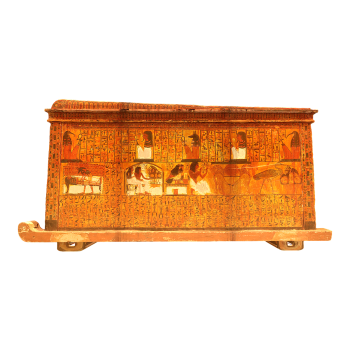
One of the coffins of Senechem in ancient Egypt
Senechem was a bricklayer who lived during the 19th Dynasty of ancient Egypt. In 1886, this coffin was discovered in the tomb of Deir al Medina in Egypt. It is housed in the Egyptian Museum.

Anubis Shrine in the Tomb of Ancient Egyptian Pharaoh Tutankhamun
The artifact is a gilded wooden shrine with a reclining statue of Anubis placed on top. This shrine was found in the "treasury" room of the tomb of Egyptian pharaoh Tutankhamun. The treasury room is a place in Tutankhamun's tomb used to store treasures and treasures. The shrine consists of two parts, with an insertable Anubis statue at the top and an independent storage room with a sliding cover at the bottom. The sliding cover can be opened to expose the internal compartments. The front part of the compartment is divided into four smaller compartments. At present, this cultural relic is housed in the Egyptian Museum.
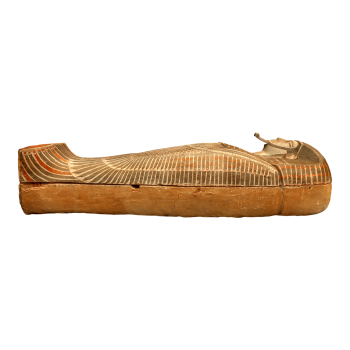
The wooden coffin of Pharaoh Kamosis in ancient Egypt
Kamosis was a pharaoh of the 17th Dynasty of ancient Egypt, who inherited the war initiated by his predecessor, Seqenenra Taa, to expel the kings of the Hyksos dynasty. The wooden coffin of Kamosis is currently on display at the Egyptian Museum in Cairo. This is one of the most important collections of ancient Egyptian art and artifacts in the world.

Coffin of Pharaoh Ramses II of ancient Egypt
Ramses II was a pharaoh of the 19th Dynasty of ancient Egypt, who ruled from 1279 BC to 1213 BC. This coffin was found in Tomb DB320 of the Royal Mummy Library, where the remains of Ramses II's mummy were discovered. Now this coffin is hidden in the Egyptian Museum.
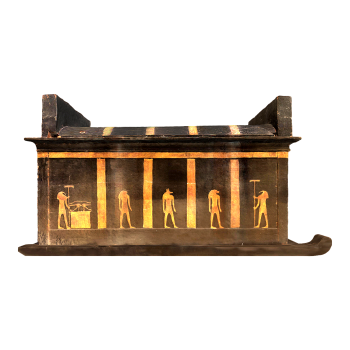
Wooden coffin of ancient Egyptian nobleman Yuya
Yuya was a powerful aristocrat in the 18th Dynasty of ancient Egypt. This coffin is rectangular, with a flat top and protruding structures at both ends. The coffin is dark brown with golden inscriptions and illustrations on it. The coffin is evenly distributed with vertical golden stripes along its length. The coffin depicts the image of characters, possibly representing gods or important individuals, painted in traditional Egyptian art style with golden pigments. This coffin is currently at the Egyptian Museum.

The coffin of Pharaoh Amenhotep I of ancient Egypt
This is the wooden coffin of Pharaoh Amenhotep I of the 18th Dynasty of ancient Egypt, currently housed in the Egyptian Museum in Cairo. In 1881, this coffin was discovered in the royal mummy vault of DB320 tomb. However, this is an alternative coffin originally made for a priest named Djehutymose. The inscription in front of the coffin calls on the god Osiris Winnever to provide Amenhotep I with bread, beer, cattle, poultry, and all good and pure things.

The coffin of Akhenaten in Tomb KV55, Valley of Egypt
Akhenaten, also known as Inu or Amenlu Ahtnu, was an 18th dynasty pharaoh of ancient Egypt, reigning from about 1353 BC to about 1336 BC. He was the son of Egyptian pharaoh Amenlu Ahtep III (Amenhotep III) and Queen Tiye, father of Tutankhamun. In 1907, the tomb was discovered. Today, Akhenaten's coffin is hidden in the Egyptian Museum.
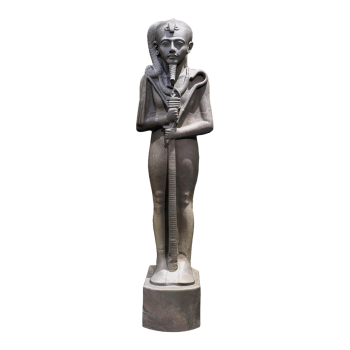
Ancient Egyptian god Kunsu granite statue
The Egyptian god Kunsu is the god of the moon, the god of travel and the god of medicine. He is believed to be the son of the gods Amun and Mut, and the youngest of the three sons of their family. The Egyptian god Kunsu granite statue has the characteristics of the Pharaoh Tutankhamun of the 18th Dynasty of ancient Egypt. It is 2.52 meters high. It was originally discovered in the Kunsu Temple in Karnak. It is a building of the New Kingdom of Egypt and belongs to Ramses III. The statue during the reign of (Ramses III) has been exhibited in the Egyptian Museum in Cairo for many years.
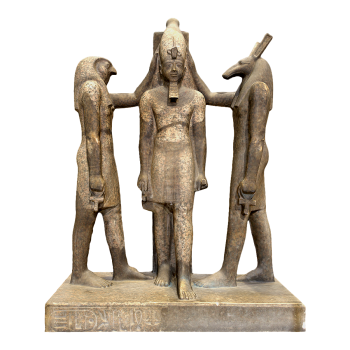
Ancient Egyptian Ramses III with Statue of Horus and Seth
The statue of Messi III and Horus and Seth depicts the Egyptian pharaoh Ramses III with the two gods Horus and Seth, with Horus on his right and Seth on his left. The statue is now in the Egyptian Museum in Cairo. Ramesses III was a pharaoh of the 20th dynasty of ancient Egypt, reigning from 1186 BC to 1155 BC. He was a powerful pharaoh who worked to restore stability and prosperity to his country. His reign is considered one of the peaks of the New Kingdom period.

Pharaoh Tutankhamun wood carving
Tutankhamun was a pharaoh during the 18th dynasty of ancient Egypt. He was located between 1332 BC and 1323 BC. The tomb of Pharaoh Tutankhamun was discovered in 1922 by British archaeologist Howard Carter, a discovery of great historical significance. This Tutankhamun wood carving was found in the antechamber of his grave, sitting behind a pile of gilded chariot parts, covered in plaster and paint. This wood carving is currently on display at the Egyptian Museum in Cairo, Egypt.

Popular Models
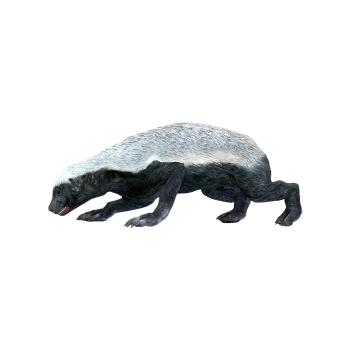
Honey Badger (3D animated model)
192 View
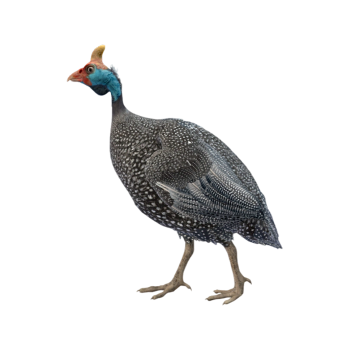
Guinea fowl (3D animated model)
163 View
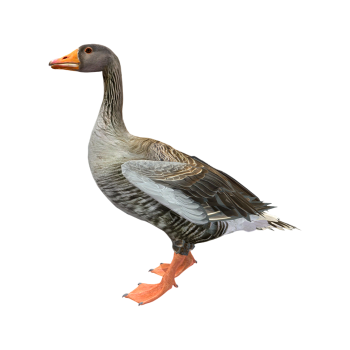
Wild Goose (3D animated model)
185 View
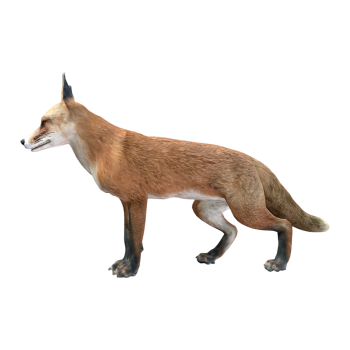
Red Fox (3D animated model)
153 View
Random Model

Yam 3D model
1063 View


Hyundai's Huatai Motors Santa Fe SUV
956 View

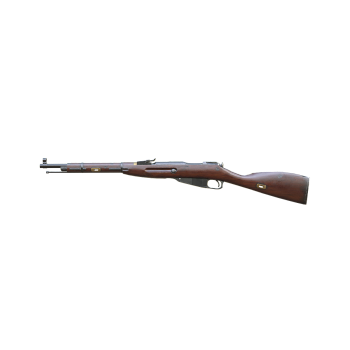
Mosengan M1938 carbine gun
999 View


Jetmaster Zip Tee
742 View


Northern Dead Sea region
800 View